

How to Deadhead Flowers for More Blooms

If you want fuller plants and more blooms through the season, learning how to deadhead flowers is a simple place to start. What some gardeners call deadheading, others may call giving plants a haircut. Both involve cleaning up a plant so it can put more energy into fresh growth and future flowers instead of fading blooms or seed production.
Not every flower needs deadheading. Most newer annuals are self-cleaning and drop spent blooms on their own. That makes them a great choice for gardeners looking for low maintenance annual flowers. Still, many popular flowers do benefit from a little cleanup to keep them looking their best.
How to Deadhead Flowers
Start by finding blooms that are wilted, dried up, or past their prime. Follow the flower stem down to the next healthy set of leaves or branch point, then pinch or snip it there. Do not just pull off the petals. Removing the full spent bloom helps the plant stay tidy and encourages more flowers.
In some cases, this is more than removing one spent bloom here and there. Sometimes it means lightly cutting the plant back overall, or giving it a haircut, to encourage fresh branching and new growth.
When to Deadhead Flowers
In general, deadhead flowers when the blooms start to fade. During the growing season, checking your plants every few days or about once a week is usually enough.
If a plant starts looking stretched, tired, or uneven, that is usually a sign it may need more than deadheading. A light haircut can help reshape the plant, push new growth, and bring on a fresh round of blooms.
How to Deadhead Petunias
How to deadhead petunias depends on the type you are growing.
Older, more traditional petunias usually needed regular deadheading because after a rain, the blooms would often melt down onto the plant and leave it looking messy. Those varieties needed more hands-on cleanup to keep blooming well.
Newer hybrid petunias, including types like Supertunias and others, behave differently. Instead of melting down after rain, the old blooms will shrivel up, dry out, and blow away on their own. That means with many of today’s petunias, we are less focused on deadheading individual blooms and more focused on giving the plant a haircut when needed.
That haircut means trimming the plant back to encourage fresh growth, fuller shape, and new flowers. It is one of the best ways to keep petunias looking strong through the season.
When to Deadhead Petunias
When to deadhead petunias usually comes down to appearance. If you see wilted flowers hanging on the plant or notice the plant starting to look stretched and tired, it is time to clean it up.
For older petunia types, that may mean removing spent blooms by hand. For newer hybrids, it often means giving the plant a light haircut every so often to refresh growth and promote another flush of blooms.
During peak season, checking petunias every few days is a good habit.
Not All Petunias Need Deadheading
One of the nice things about many newer hybrid petunia varieties is that they are much lower maintenance. Some of the best petunias for modern containers and baskets are self-cleaning, which means they naturally shed old blooms and keep pushing new ones without as much hands-on care.
That makes them a smart option if you want strong color with less upkeep. Instead of spending time deadheading every old flower, you may only need to trim them back now and then to keep them full and blooming.
Best Petunias at Selmi’s
At Selmi’s, we carry the best petunias for both beauty and performance. Whether you want trailing color for baskets or fuller plants for planters and beds, our greenhouse team can help you choose the right fit for your space.

Surfinia® Heavenly Petunia Series
Height: 8-12 inches
Spacing: 18-24 inches
Sunlight: Partial-Sun to Full Sun
Characteristics: Moderate Vigor & Semi-Trailing
Usage: Containers, Gardens, Hanging Baskets, and Landscapes

Headliner Petunia Series
Height: 16 inches Spacing: 24 inches
Sunlight: Full Sun
Characteristics: Medium Vigor & Semi-Trailing
Usage: Containers and Hanging Baskets

Proven Winners Supertunia Vista®
Height: 12 - 24 inches
Spacing: 18-32 inches
Sunlight: Partial-Sun to Full Full
Characteristics: Medium Vigor & Mounding Trailing
Usage: Containers, Gardens, Hanging Baskets, and Landscapes
How to Deadhead Geraniums
How to deadhead geraniums is a little different because the flower heads grow on thicker stems.
When the flower cluster starts to fade, follow that stem down to the base where it meets the main plant and snap or snip it off cleanly. Removing the full stem is the best way to keep geraniums tidy and encourage new flower production.
You can also remove yellowing leaves at the same time to keep the plant looking fresh.
When to Deadhead Geraniums
When to deadhead geraniums is usually whenever a bloom cluster starts to look spent. Unlike some flowers that drop petals quickly, geraniums often hold onto old flower heads, so regular cleanup can really improve their appearance.
A quick once-over every few days or once a week is usually enough.
Best Geraniums at Selmi’s
If you are shopping for the best geraniums, Selmi’s offers great options for containers, porch pots, and garden beds. Geraniums are popular for a reason. They bring classic color, strong form, and dependable blooms to all kinds of outdoor spaces.

Interspecific Geranium Calliope® Series
Height: 14-18 inches
Spacing: 16-20 inches
Sunlight: Partial-Sun to Full Sun
Characteristics: Medium Vigor & Mounding or Upright
Usage: Containers, Gardens, Hanging Baskets, and Landscapes
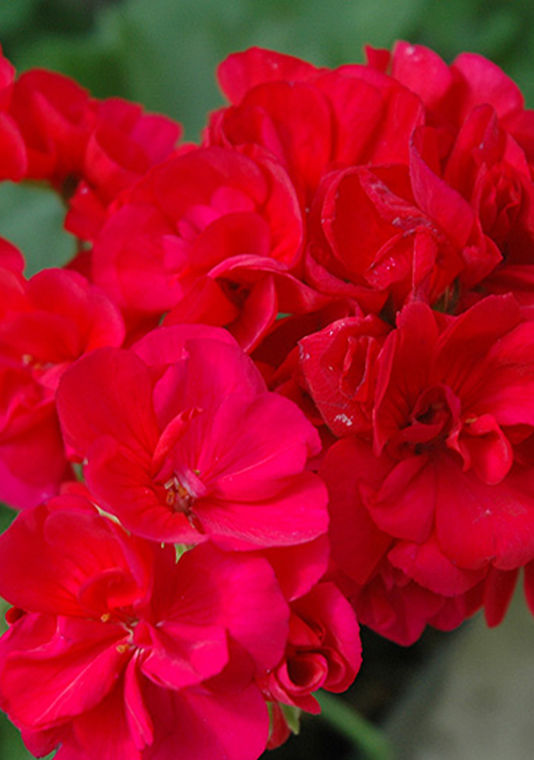
Zonal Geranium Americana® Series
Height: 12-24 inches
Spacing: 16-18 inches
Sunlight: Partial-Sun to Full Sun
Characteristics: Medium Vigor & Mounding or Upright
Usage: Containers, Gardens, Hanging Baskets, and Landscapes

Zonal Geranium Rocky Mountain® Series
Height: 12-18 inches
Spacing: 18 inches
Sunlight: Partial-Sun to Full Sun
Characteristics: Medium Vigor & Mounding or Upright
Usage: Containers, Gardens, Hanging Baskets, and Landscapes
Find Your Perfect Petunia or Geranium at Selmi’s Near You
Stop out to Selmi’s Greenhouse & Garden Center during our spring hours and see which petunia or geranium is the right fit for your space. If you have questions, we’re always happy to share tips in person and show you firsthand how we do it here at Selmi’s.


Comments